In a world of constant pace and sensory overload, Anttavasana serves as a deliberate pause that refines attention and steadies the nervous system. It links breath, posture, and awareness to dampen reactivity and sharpen decision-making under pressure. This practice offers a scalable, accessible anchor for health, focus, and emotional balance, enabling sustainable performance. The question remains: how can one integrate this quiet, corrective pause into daily life to unlock clearer perception and deeper engagement?
What Anttavasana Is and Why It Works
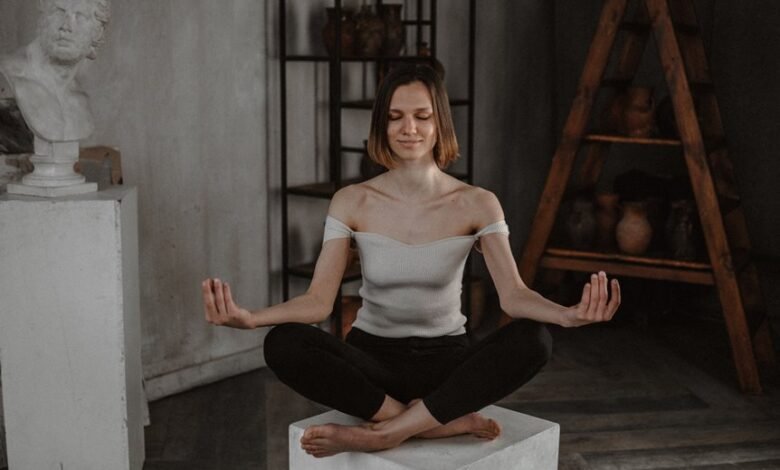
Anttavasana, often misunderstood as a mere resting pose, is a deliberate practice that condenses mindfulness, breath control, and postural awareness into a single, accessible stance.
This Anttavasana overview reveals a precise mechanism: stillness orchestrates sensing, alignment, and tempo, sharpening focus without strain.
Resilience through stillness emerges as breath guides effort, body settles, and perception expands—clarity through controlled surrender, not fatigue.
How Anttavasana Builds Resilience in a Busy World
In a world that demands constant speed, Anttavasana acts as a deliberate counterbalance, teaching the body to regulate energy, breath, and attention with minimal effort. This practice cultivates Anttavasana benefits by strengthening nervous system resilience, reduces reactivity, and anchors steadiness amidst pressure. Daily integration guides sustainable performance, enabling clearer choices, steadier workflows, and durable momentum without burnout or distraction.
Anttavasana for Health, Focus, and Emotional Balance
Anttavasana supports health, sharpened focus, and emotional balance by slowing the body’s default reactivity and recalibrating autonomic regulation. This practice yields measurable health benefits, stabilizing stress responses and supporting resilience. By fostering steadiness within cognitive and affective processes, it clarifies perception and decision-making.
The approach emphasizes emotional balance as foundational, enabling freer engagement with life, work, and relationships.
Practical How-To: Start, Sustain, and Troubleshoot Anttavasana
Starting a sustainable Anttavasana practice hinges on clear, executable steps: begin with a brief, tension-free set of breaths to establish baseline calm, then progressively lengthen the hold while maintaining ease.
The approach remains practical: start now, monitor form, and adjust intensity without strain.
Troubleshoot common obstacles by acknowledging fatigue, breath sync, and external stress, then refine posture and timing decisively.
Frequently Asked Questions
Can Anttavasana Be Practiced Alongside Other Routines?
Anttavasana can be practiced alongside other routines, enhancing breath awareness and energy alignment within a broader program. It supports aside from stress reduction, integrates into team practice, and fosters freedom in movement while maintaining disciplined structure.
What if I Have Injuries or Chronic Pain?
Anttavasana can be practiced with injuries through careful injury adaptations and pain considerations, prioritizing safety over intensity. It remains a tool for freedom, guiding practitioners to listen, modify, and progress deliberately, never forcing movement or risking harm.
How Soon Will I Notice Mood Changes?
Anttavasana’s mood shifts appear gradually; the pace of mindfulness governs perception, while sleep impact tightens consistency. In time, observers note steadier mood, clearer resilience, and a sense of liberty that accompanies deliberate breathwork and sustained stillness.
Is Anttavasana Suitable for All Ages?
Guardians declare that anttavasana is not universally age-appropriate; it requires careful assessment of individual needs. Anachronistically, a lighthouse glows as guidance. It supports anttavasana safety with age appropriate modifications, ensuring thoughtful, freedom-loving practitioners proceed cautiously and informed.
Can Children Benefit From Anttavasana?
Children can benefit from Anttavasana, with thoughtful guidance; however, safety considerations must govern practice, ensuring appropriate depth, supervision, and modifications. The approach emphasizes mindful engagement, autonomy, and confidence, while prioritizing safety considerations and individualized responsiveness for young practitioners.
Conclusion
Anttavasana offers a precise counterbalance to modern tempo, grounding the nervous system through breath, posture, and attention. In a world where researchers report adults average 14 hours of screen exposure per day, this practice provides a scalable pause that recalibrates perception and reactivity. The result is steadier decision-making, sharper focus, and steadier emotional responses. When consistently integrated, Anttavasana becomes a durable anchor for health and performance, transforming how work, relationships, and daily life unfold under pressure.